In this blog post, we dive into how the real estate ecosystem operates for different kinds of transactions, looking at the different actors who could or should be involved in different types of property or land sales and the ways in which the ecosystem should act to prevent money laundering. The purpose here is not to identify explicitly where failings could be happening – rather it is to set out process, to assist interested parties to understand how actors interact with each other.
Our report describes the key architecture current to 2025 that operates to prevent money laundering in the real estate sector in Kenya. It discusses the major players across five different categories of actors, the ways they work and the challenges they face. In doing so, it lays out the network that seeks to prevent and address money laundering into real estate in Kenya, as well as those actors seeking to introduce illicit finance into the sector or make it easier to do so.
This paper explores AML/CFT controls relevant to the real estate sector after three years of revision since the 2022 assessment. It outlines the supervisory roles and reporting obligations that apply to buyers, sellers and key intermediaries in real estate transactions.
This paper presents the results of a survey conducted in 2025 with members of the UNCAC Coalition Asset Recovery Working Group, which assessed the availability and accessibility of asset recovery data across 15 jurisdictions, covering both major asset-returning states and countries involved in efforts to return stolen funds to their jurisdiction.
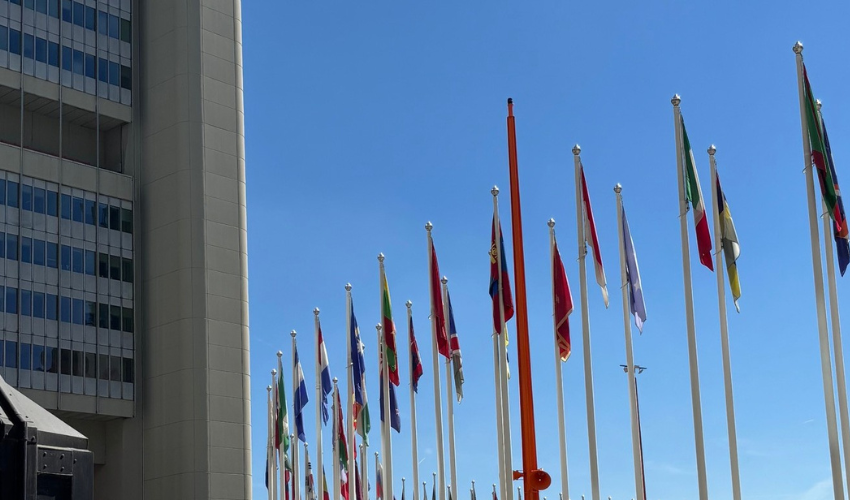
Last week we attended the Asset Recovery Working Group meeting in Vienna, that took place between the 3-5 September. In this blog we wanted to highlight what the meeting does, why its important for civil society to attend and what we wanted to, and were able to, achieve there.
Between 16-17 June 2025, CiFAR attended the conference on Asset Recovery and Compensation to Victims in Maputo, Mozambique, organised by CIP Mozambique and Transparency International. Bringing together participants from Africa, Europe, and Latin America, the conference offered a platform to reflect on progress, challenges and gaps in asset recovery.
Corruption is not a victimless crime. Its costs go far beyond the money and property stolen. Corruption greatly undermines human dignity by depriving citizens of access to basic rights and services, including healthcare, education, justice, and economic opportunities. International and regional frameworks exist to combat corruption, and within them lies the potential for restorative justice by reshaping these processes to centre on human beings, particularly victims of corruption.
Many jurisdictions that sanction persons for corruption update their lists more frequently towards the end of each year. However, changes do take place in between and several changes have taken place in particular under the UK’s Global Anti-Corruption Sanctions since our beginning of year update.
The Fourth International Conference on Financing for Development (FFD4) took place in Seville, Spain, from 30 June to 3 July 2025. This high-level conference was a defining moment for setting political priorities around sustainable development and reaffirming global commitments to financing development and governing it effectively.
From 15–17 April, on behalf of the CAPAR Civil Society Network, CiFAR attended the first African Asset Recovery Practitioners Forum in Nairobi. Over 90 delegates from across all African regions — including asset recovery and anti-corruption agencies, financial intelligence units, and other public bodies — gathered to discuss ways to enhance collaboration on asset recovery and to formalize the establishment and governance of the Forum.
← Previous
Page 3 of 10
Next →