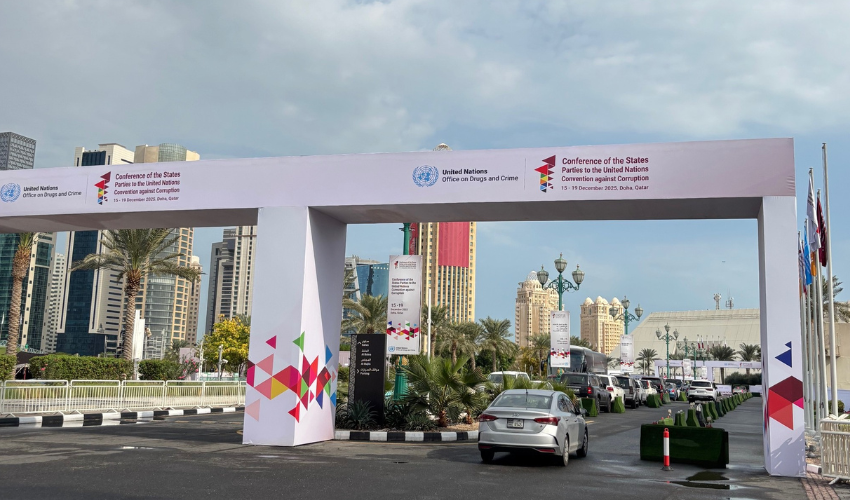
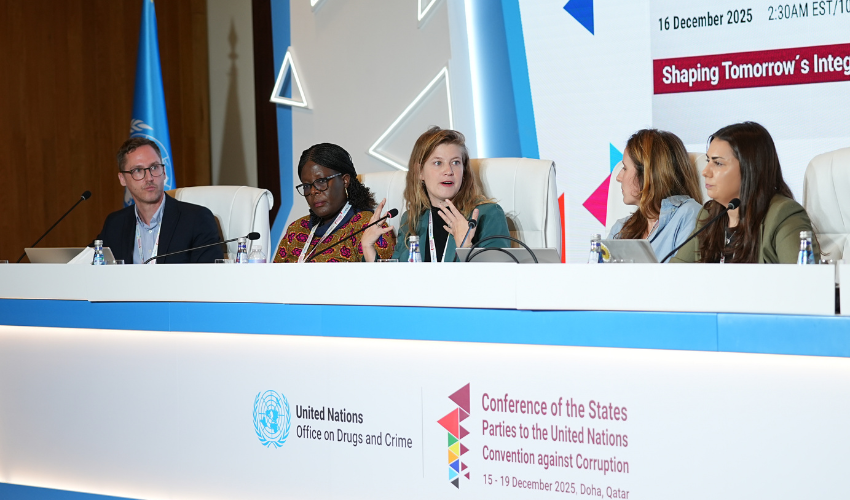
In December 2025, the UNCAC Conference of States Parties (CoSP) met in Doha to discuss the latest developments in anti-corruption at the global level and to agree new resolutions to advance and detail the provisions of the United Nations Convention Against Corruption.
As COSP 11 comes to a close in Doha, its clear that the fragmented and challenging international environment is continuing to make it hard for States committed to fighting corruption through accountable, transparent and participatory methods to make meaningful headway.
Last week we attended the Asset Recovery Working Group meeting in Vienna, that took place between the 3-5 September. In this blog we wanted to highlight what the meeting does, why its important for civil society to attend and what we wanted to, and were able to, achieve there.
In the past 20 years, African governments have made considerable progress to recover stolen assets as a tool to combat Illicit Financial Flows and contribute to sustainable development. Asset recovery has gained attention among governments, the media and citizens. Several governments have introduced new asset recovery laws and created institutions in charge of recovering or managing stolen assets. This has led to an increase in recovered assets, both domestically and internationally. However, legislative and institutional frameworks, as well as efforts in international cooperation are still insufficient.
On the 10 December the 10th Conference of the States Parties to the United Nations Convention Against Corruption (UNCAC CoSP 10) kicks off in Atlanta, USA. The CoSP process is an opportuniy for States who are party to the UNCAC, which is virtually every country in the world, to come together to discuss progress in implementing the treaty and to agree to new ideas to advance the fight against corruption.
During this year’s 77th Session of the UN General Assembly, the 19th of September was dedicated to the SDG Moment – an opportunity to look back at the incredible progress achieved already on the path towards sustainable development, and to highlight the considerable challenges still lying ahead.
Page 1 of 1